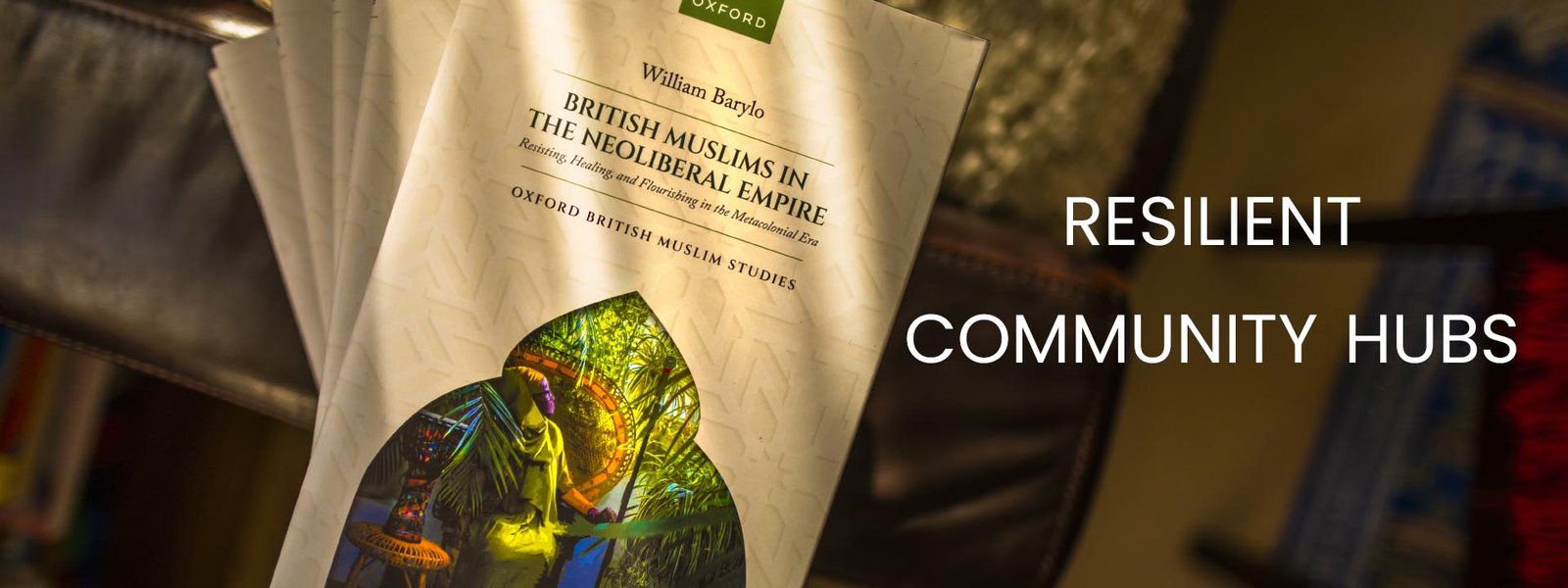
Discover evergreen self-supporting strategies for user-centred initiatives
• Role: Lead Researcher, Producer, Designer
• Research Type: Qualitative, Generative, Continuous, Long-term
• Methods: Literature Review, Ethnographic, Narrative, Phenomenological, in-person observations and interviews, focus groups, action-research, performance ethnography
• Timeframe: 3.5 years
• Budget: £355,000
• Stakeholders: The British Academy (investor), University of Warwick (strategic backer), 18 community initiatives (100+ individual participants)
• Impact: 18 initiatives coached across 8 countries, 2 books, 11 articles, 40+ events, 1 YouTube channel
CHALLENGE
Grassroots initiatives are spaces of trust and solidarity but struggle to sustain themselves. Lack of economic support, survival mindset and culture of competition are the main obstacles to their existence.
A few experimental initiatives have found creative ways to flourish despite minimal resources and support but there is no sharing of strategies, thus hindering user engagement and experience.
Research Questions
• What strategies are the most effective for reaching self-sustainabilty?
• What are the main pain points?
• What barriers and solutions for greater user engagement?
Goals
• Discover, share and implement best resilience strategies
• Produce materials to equip community hubs with tools
• Implement and test new research methods
SOLUTIONS
Leadership workshop
• 20+ academics and practitioners from 8 countries
• Literature Review
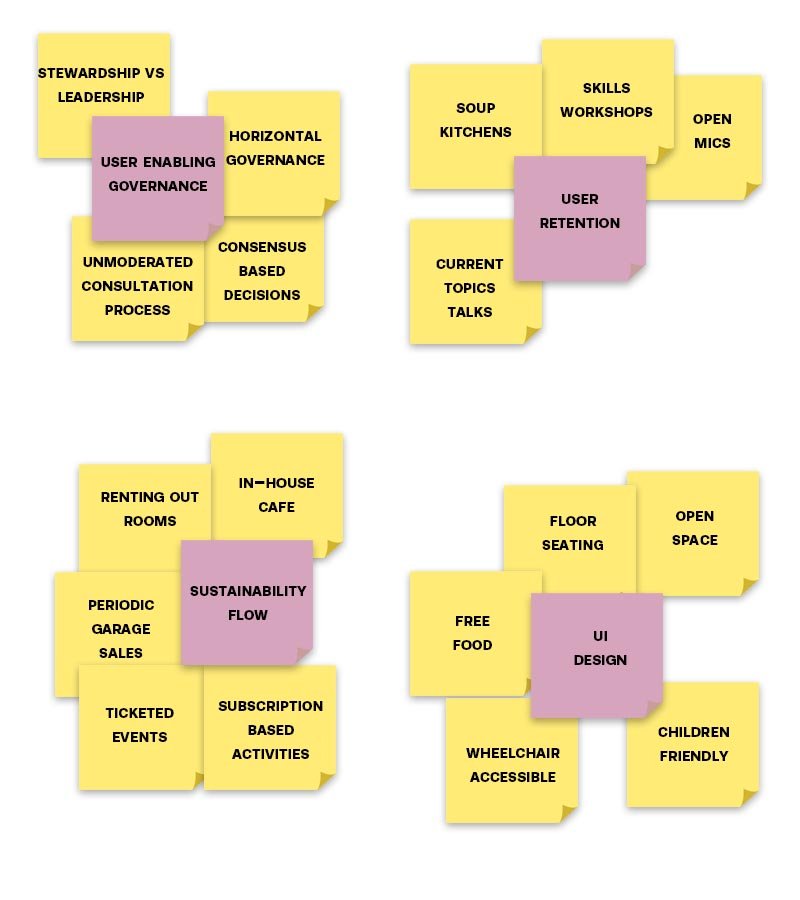
• Affinity Diagram
• Participant selection
Guerilla & Participant observation
• Long term narratives and biographic trajectories
• Interviews, focus groups, informal conversations
• Zoom/Teams
• Analysis on NVivo and Atlas.ti
Participatory Action-Research
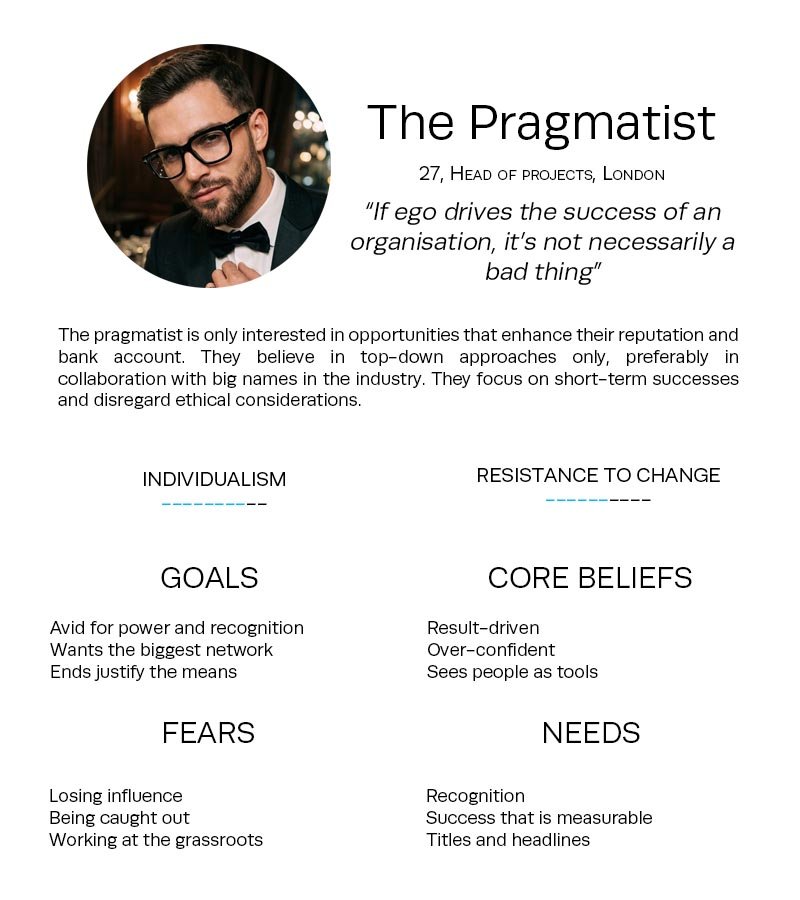
• Output strategy based on personas
• Co-creation of outputs with participants (video/written/events)
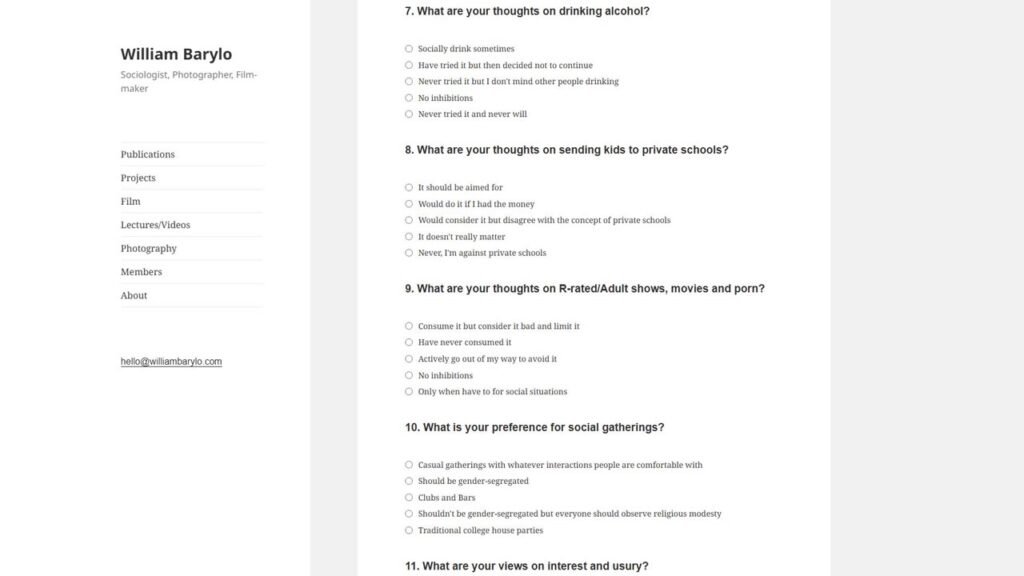
• Gamified survey
• Output production: DaVinci Resolve, Adobe CS, Power Point
Performance Ethnography
• Content & Engagement Strategy
• A/B Testing (Google Analytics)
• Website development (PhP, CSS, SQL, WordPress)

OBSTACLES
Ethnography in a trust-sensitive environment
Many participants from specific social backgrounds do not trust outsiders
Solutions: Long-term fieldwork focused on trust-building; participation to common activities
Interviewing hard-to-access participants
Accessing people with opposite views or very famous people (politicians, influencers, celebrities)
Solutions: using personal network to find trusted middle-persons, relatability (finding common ground), empathy
Data collection in an informal and fast-paced environment
Data collection, in a fast-paced environment, cannot be formalised (impossible to take written notes, record or ask to complete a form)
Solutions: mental note taking, informal conversations, secondary sources
FINDINGS
1. Small organisations are more likely to fail if they rely on a centralised leaderhip and hierarchical governance
2. Users disengage if not given an active role in the organisation
3. Resilient organisations cannot rely on grants and sponsorships; they need predictable income and minimise costs
RECOMMENDATIONS
1. Adopt a horizontal governance, consultation- and consensus-based decision-making processes
2. Responsibilise users by giving them responsibilities for the management of events and activities
3. Develop revenue-generating activities: in-house café, renting out rooms, subscription-based activities; invest in non-financial capital (networks, gift economy, etc)
“This research is alive”
Prof. Esra Ozyurek, University of Cambridge
“Every month we were minus. Making users actors instead of consumers changed everything.”
Participant

IMPACT & OUTPUTS





1 YouTube Channel, 19.5k subscribers